
Cedofeita Street the street you have to visit in Porto Portugal
The street takes its name from the Church of São Martinho de Cedofeita, whose foundation is thought to date back to the sixth century, in full suevo domain. Concerning the antiquity of the temple it will have been said that it was quoted facta (ie, early made), deriving in Cedofeita .
Impressive shopping and pedestrian street ideal for walking and enjoying the amount of contrasts that has the city of Porto. Everything is concentrated here, modern, tacky, pure eclectic, traditional style, tiles and even that Lisbon black and white floor touch. We may have stayed close to the street and gone everyday to go downtown to the center since it is worth it as to change with the times and visit its shops and enjoy its surroundings. Besides not being an extremely touristy street walking quiet and you can enjoy a lively conversation with here :-). He also has an interesting photogenic.
With about 840 meters in length, going from Carlos Alberto Square to Boavista Street, history points out that it was created in the 6th century (6th), still in the domain of the Suevi, a group of German peoples, who settled in the north of the Iberian Peninsula.
Opened in 1784, in the extension of an old road, by order of João de Almada and Mello. Border to the secular Cedofeita Collegiate, it has become an important residential area. Today is one of the main commercial axes of the city. The street is populated by buildings built between the 17th and 20th centuries. During the siege of Porto, Regent D. Pedro made his headquarters in building No. 395, after bombing the area of the Palace of Carrancas.
In Rua da Cedofeita you can find several buildings classified as Property of Public Interest, a great point of interest for those who like art and architecture. With the changes that the city went through, Rua da Cedofeita also underwent some changes. However, this street has slowly come to life and is once again what characterizes it.
Away from the medieval Porto urban core, delimited by the Fernandina Wall, the area of the current parish of Cedofeita, hosted the church of São Martinho, whose foundation is thought to date back to the sixth century, which testifies to the experience of this area in very remote times.
However, the opening of Rua de Cedofeita did not happen until 1762, as part of a vast urban renewal plan implemented by João de Almada and Melo, through the Public Works Board. The new plan aimed to relate the riverside port area with the citys high, through "regularization and creation of drainage axes, as well as their transverse articulation". [1] Among the most important roads was the so-called "Rua da Estrada", today Rua de Cedofeita.
The urbanization of the street was rapid. Although not yet completed at the end of the 18th century, the so-called Balck Round Plan , published in London in 1813, shows the street in its current length - between Carlos Alberto Square and Boavista Street - and with abundant implantation of buildings on both sides.
The vast majority of the buildings that today constitute Cedofeita Street date back to the late 18th century and the beginning of the following. They are predominantly narrow and long, with a certain architectural homogeneity, most of them with balconies, stonework in the definition of the spans and pilasters, granite heights or with stone and ceramic balusters, and tiles in the facade, dating from the 19th or 20th century.
Impressive shopping and pedestrian street ideal for walking and enjoying the amount of contrasts that has the city of Porto. Everything is concentrated here, modern, tacky, pure eclectic, traditional style, tiles and even that Lisbon black and white floor touch. We may have stayed close to the street and gone everyday to go downtown to the center since it is worth it as to change with the times and visit its shops and enjoy its surroundings. Besides not being an extremely touristy street walking quiet and you can enjoy a lively conversation with here :-). He also has an interesting photogenic.
With about 840 meters in length, going from Carlos Alberto Square to Boavista Street, history points out that it was created in the 6th century (6th), still in the domain of the Suevi, a group of German peoples, who settled in the north of the Iberian Peninsula.
Opened in 1784, in the extension of an old road, by order of João de Almada and Mello. Border to the secular Cedofeita Collegiate, it has become an important residential area. Today is one of the main commercial axes of the city. The street is populated by buildings built between the 17th and 20th centuries. During the siege of Porto, Regent D. Pedro made his headquarters in building No. 395, after bombing the area of the Palace of Carrancas.
Away from the medieval Porto urban core, delimited by the Fernandina Wall, the area of the current parish of Cedofeita, hosted the church of São Martinho, whose foundation is thought to date back to the sixth century, which testifies to the experience of this area in very remote times.
However, the opening of Rua de Cedofeita did not happen until 1762, as part of a vast urban renewal plan implemented by João de Almada and Melo, through the Public Works Board. The new plan aimed to relate the riverside port area with the citys high, through "regularization and creation of drainage axes, as well as their transverse articulation". [1] Among the most important roads was the so-called "Rua da Estrada", today Rua de Cedofeita.
The urbanization of the street was rapid. Although not yet completed at the end of the 18th century, the so-called Balck Round Plan , published in London in 1813, shows the street in its current length - between Carlos Alberto Square and Boavista Street - and with abundant implantation of buildings on both sides.
The vast majority of the buildings that today constitute Cedofeita Street date back to the late 18th century and the beginning of the following. They are predominantly narrow and long, with a certain architectural homogeneity, most of them with balconies, stonework in the definition of the spans and pilasters, granite heights or with stone and ceramic balusters, and tiles in the facade, dating from the 19th or 20th century.

Outros Artigos Populares no Blogue
-


18 ways to order coffee in Portugal
Shot down In fact, its just a long coffee with more water, served in a large cup, just like a sock of milk. Coffee, spout or cymbalino It i... -
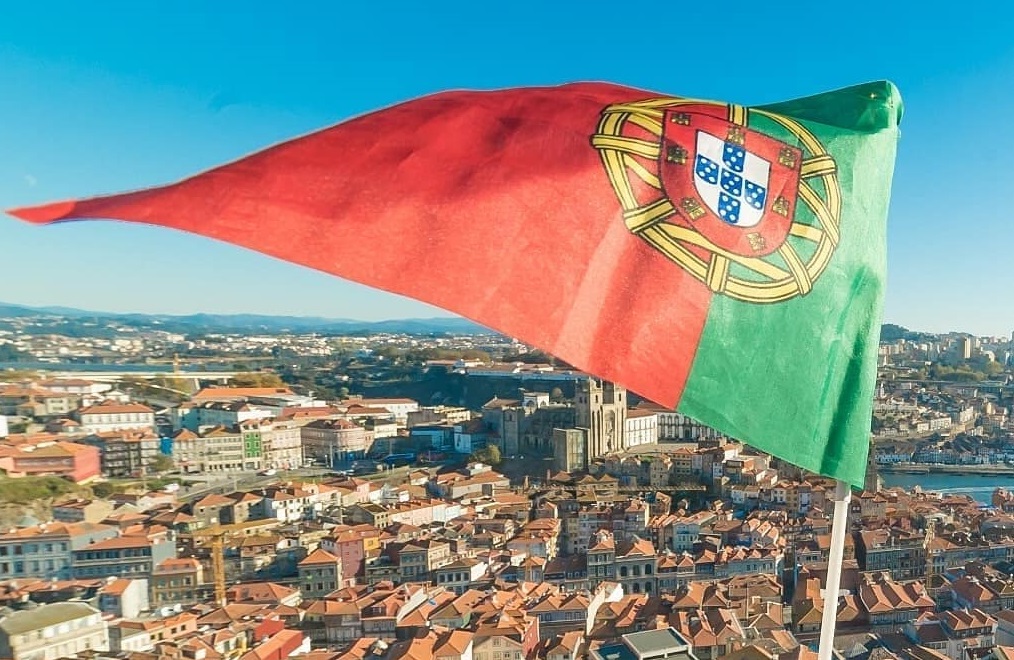
Suggested Road Routes in Portugal
If you have unlimited time, one of Europes greatest pleasures is being "lost" in the dusty plains of the Alentejo or in the hidden little coves of the... -
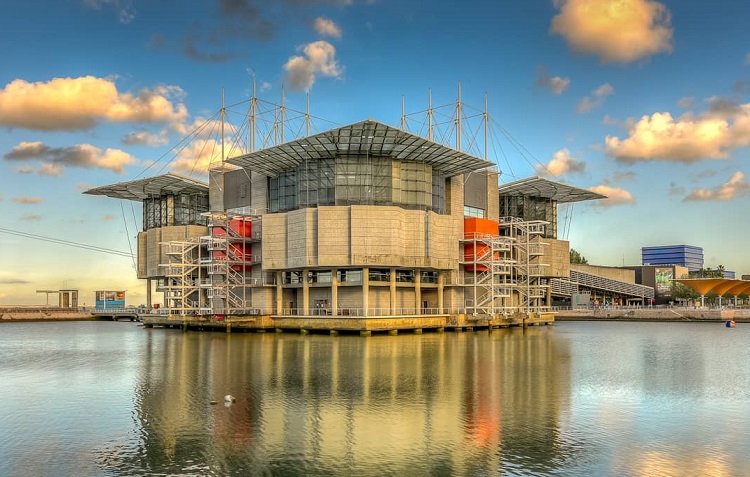
This is the best oceanarium in the world in Lisbon Portugal
The Lisbon Oceanarium was considered, for the third time, the "Best Aquarium in the World". The award was made by TripAdvisors Travelers Choice 2... -
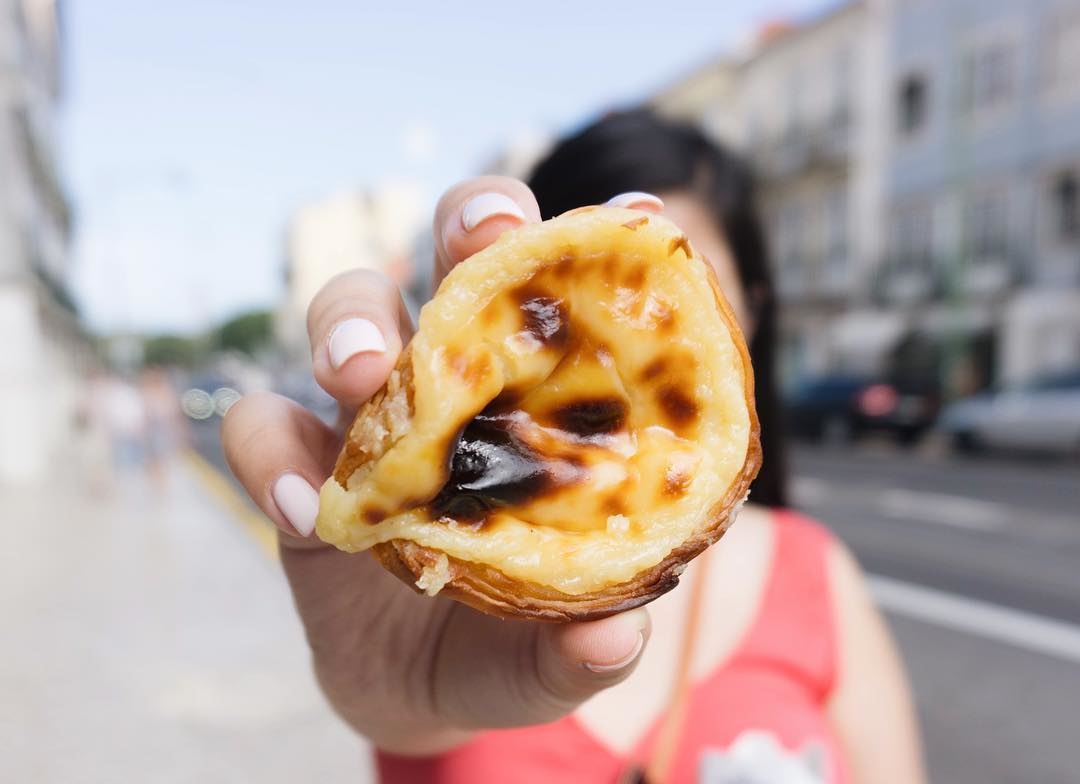
10 facts that not even Lisbon people know about Lisbon Travel
As home to fado and colorful streets, Lisbon has a multitude of secrets and fun facts that are unknown to most people. If y... -
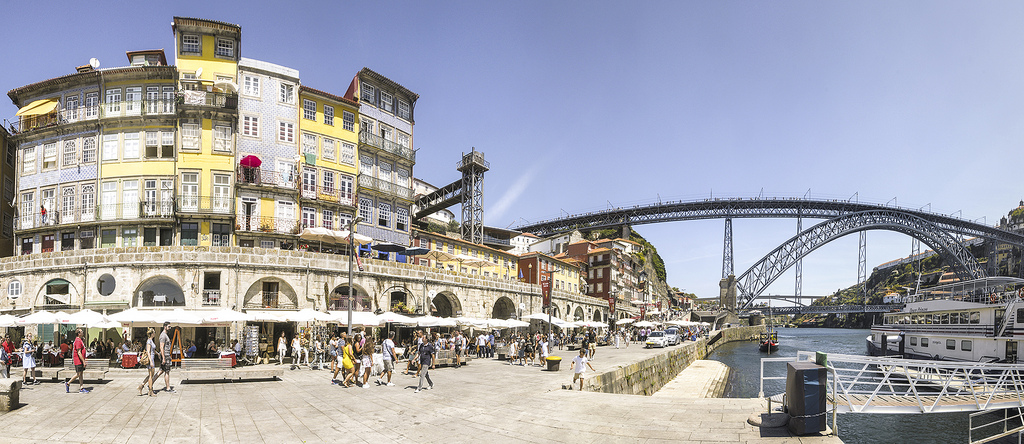
Unforgettable attraction visits Cais da Ribeira in Porto Portugal
The most typical area of the city of Porto is the Ribera pier, located in the lower zone, on the bank of the Douro river. It is a kind of promena... -
Money in Portugal Travel Tips
Portugal is no longer the bargain basement of Europe that it was in the 60s and 70s . Prices have increasingly aligned with the other count... -
Things to do in Lisbon travel tips
Bathed in pure Atlantic light, crowned by the St. Georges Castle storybook and spanning seven hills, Lisbon is one of Europes most visually stunning c... -
Top 18 Tourist Attractions in Porto Portugal
Apparently cut in granite near the mouth of the Douro River, Portugals second city, known locally as Porto, enchants with a rich collection of cultura...