
Rua dos Mercadores located in the neighborhood of Ribeira is a street to visit Porto Portugal
In this street, located in the Ribeira district is a very typical, narrow downhill street, since medieval times, this street was of vital importance as it was one of the main axes of movement towards the door. Today, the truth is that the houses are perhaps a bit abandoned, which gives it a special charm although currently many houses are being restored.
The name of this medieval street derives from the fact that it is one of the places chosen by the Porto merchants to settle their houses and establishments.
The Rua dos Mercadores was, along with the streets of Bainharia and Escura, one of the vital axes of medieval Porto, linking the mercantile center located in Ribeira to the episcopal borough and ensuring communication with the main routes that leave Porto towards the Between Douro and Minho and Trás-os-Montes.
Traversing the area outside the Primitive Wall, from the outskirts of Porta de SantAna to Ribeira Square, next to the Douro River, Rua dos Mercadores has been referred to since 1309, when it is referred to as "Rua per hu vam a Ribeira". . It is, again, referred to in a letter of D. Fernando dated December 16, 1374, by which the monarch ordered the nobles and prelates of the kingdom not to seek retirement (ie, lodging), neither in Merchants Street nor in monasteries. and city inns. The express reference to Rua dos Mercadores is a clear sign of the fact that it is one of the richest streets in the city where the most inviting houses were concentrated. Identical reference is made by D. John I by letter of December 22, 1385.
Being a street of merchants and merchants, it was an area of manicured buildings, two-, three-, and four-story stone houses, following the tower-house scheme. The analysis of the medieval documentation reveals that, among the several tower houses of Merchants Street, one was built just down the street in the southern part. There are reports of other tower houses, namely two that stood in front of Santa Clara Hospital, next to the Romanesque Wall.
Despite being one of the rich areas of the city, with a high percentage of good quality buildings, Rua dos Mercadores soon faced problems with the conservation of its houses. On several occasions, the Porto City Council was obliged to intervene for the good conservation of the buildings by its owners, often with court decisions, as evidenced by abundant documentation, namely dated 1393, 1432, 1433, 1438, 1443, 1466 and 1467.
On this street were the Santa Clara Hospital-Hostel, an institution possibly prior to the 13th century. It would surely be one of the most interesting buildings on this street. The hospital and hostel was at the entrance to Merchants Street on the north side, near the corner with the streets of Bainharia and São Crispim, opposite the Romanesque Wall. The Santa Clara Hospital and Hostel were annexed by D. Manuel I to the Santa Casa da Misericórdia of Porto.
José de Sao Joao Novo described Rua dos Mercadores as follows: "Rua dos Mercadores is dark, twisting and crammed with old or restored buildings, leaning on Rua de S. João. buildings of the old street dominated by extensive backyards and vegetable gardens, which then expropriate themselves for opening that artery that, in a regular line, leads from Mouzinho Street to Ribeira Square
Throughout the nineteenth century, the ruinous state reached by some of its buildings, once a source of pride for its inhabitants, is mirrored in diverse city council documentation. In 1867, Rua dos Mercadores had wine warehouses at 112 and 140. In 1926 the Tripeiro registered the existence, at nº 62 of Rua dos Mercadores, of a tinsmiths workshop of ancestral traditions, transcribing the document 1827 which recognized the activity
Behind Merchant Street, running at the base of the Primitive Wall , was the Oven Lane, documented since 1309 . This small street, which welcomed the gafaria of Porto, was also known as Viela de São Lourenço. The last reference we found about this alley dates back to 1802 , when a survey is carried out that concludes its lack of usefulness, so its definitive entrapment is decided.
House no. 182 to 184: remarkable house of the 16th century, with typical cutout doors of that century and with gargoyle of beautiful scenic effect near the eaves of the roof. As was typical at the time, only the ground floor of this house is in stone, and the rest in mud. The balconies, made of wood, mimic the architectural solution used in their stone counterparts, with small volutes supporting the narrow floor (a solution also found in house 178-180).
Wrought iron Christ (possibly nineteenth century)
Alley , no. 89. Rainwater tube with almond pipe above, at no. 131.
The Rua dos Mercadores was, along with the streets of Bainharia and Escura, one of the vital axes of medieval Porto, linking the mercantile center located in Ribeira to the episcopal borough and ensuring communication with the main routes that leave Porto towards the Between Douro and Minho and Trás-os-Montes.
Traversing the area outside the Primitive Wall, from the outskirts of Porta de SantAna to Ribeira Square, next to the Douro River, Rua dos Mercadores has been referred to since 1309, when it is referred to as "Rua per hu vam a Ribeira". . It is, again, referred to in a letter of D. Fernando dated December 16, 1374, by which the monarch ordered the nobles and prelates of the kingdom not to seek retirement (ie, lodging), neither in Merchants Street nor in monasteries. and city inns. The express reference to Rua dos Mercadores is a clear sign of the fact that it is one of the richest streets in the city where the most inviting houses were concentrated. Identical reference is made by D. John I by letter of December 22, 1385.
Despite being one of the rich areas of the city, with a high percentage of good quality buildings, Rua dos Mercadores soon faced problems with the conservation of its houses. On several occasions, the Porto City Council was obliged to intervene for the good conservation of the buildings by its owners, often with court decisions, as evidenced by abundant documentation, namely dated 1393, 1432, 1433, 1438, 1443, 1466 and 1467.
On this street were the Santa Clara Hospital-Hostel, an institution possibly prior to the 13th century. It would surely be one of the most interesting buildings on this street. The hospital and hostel was at the entrance to Merchants Street on the north side, near the corner with the streets of Bainharia and São Crispim, opposite the Romanesque Wall. The Santa Clara Hospital and Hostel were annexed by D. Manuel I to the Santa Casa da Misericórdia of Porto.
José de Sao Joao Novo described Rua dos Mercadores as follows: "Rua dos Mercadores is dark, twisting and crammed with old or restored buildings, leaning on Rua de S. João. buildings of the old street dominated by extensive backyards and vegetable gardens, which then expropriate themselves for opening that artery that, in a regular line, leads from Mouzinho Street to Ribeira Square
Throughout the nineteenth century, the ruinous state reached by some of its buildings, once a source of pride for its inhabitants, is mirrored in diverse city council documentation. In 1867, Rua dos Mercadores had wine warehouses at 112 and 140. In 1926 the Tripeiro registered the existence, at nº 62 of Rua dos Mercadores, of a tinsmiths workshop of ancestral traditions, transcribing the document 1827 which recognized the activity
Behind Merchant Street, running at the base of the Primitive Wall , was the Oven Lane, documented since 1309 . This small street, which welcomed the gafaria of Porto, was also known as Viela de São Lourenço. The last reference we found about this alley dates back to 1802 , when a survey is carried out that concludes its lack of usefulness, so its definitive entrapment is decided.
toresco Street Points of Interest
House no. 125 to 127: rare stone house with some characteristic 16th century solutions.House no. 182 to 184: remarkable house of the 16th century, with typical cutout doors of that century and with gargoyle of beautiful scenic effect near the eaves of the roof. As was typical at the time, only the ground floor of this house is in stone, and the rest in mud. The balconies, made of wood, mimic the architectural solution used in their stone counterparts, with small volutes supporting the narrow floor (a solution also found in house 178-180).
Wrought iron Christ (possibly nineteenth century)
Alley , no. 89. Rainwater tube with almond pipe above, at no. 131.

Outros Artigos Populares no Blogue
-
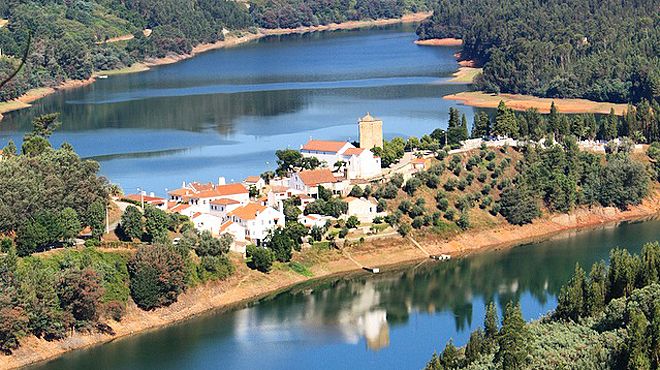

8 secret villages in Portugal that you really have to visit
Aldeias em Portugal para visitar Óbidos Terá sido tomada aos Mouros em 1148, e recebido a primeira carta de foral em 1195,... -

One of the most beautiful streets in the world has 3,000 umbrellas and is in �gueda Portugal
For three weeks in July, there is a packed schedule of concerts and workshops, and the event coincides with sensational public art installations. The... -

The 12 best dishes of Portuguese cuisine
Cod held up better on long sea voyages than many of the best sailors. Nowadays, there is no good Portuguese restaurant where this fish... -
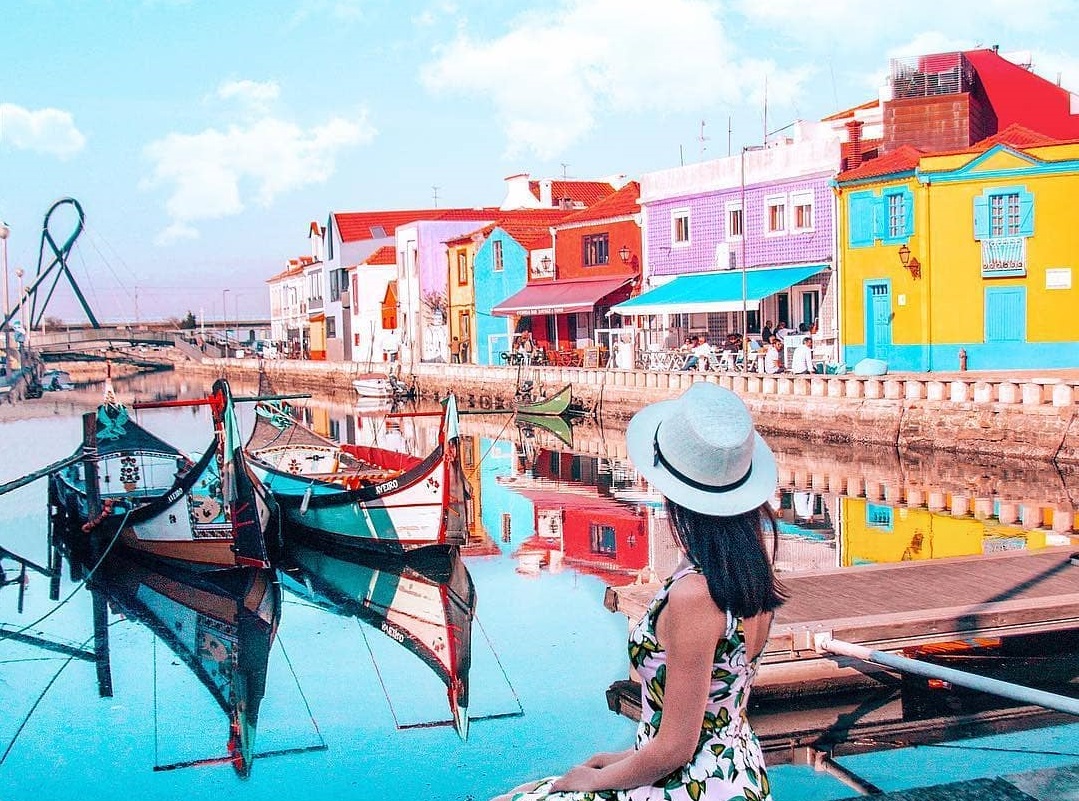
The 5 Best Romantic Getaways for Two in Portugal
Cozy and romantic, from north to south, Portugal is the perfect destination for a well-deserved getaway for two. Between picturesque villages, ap... -
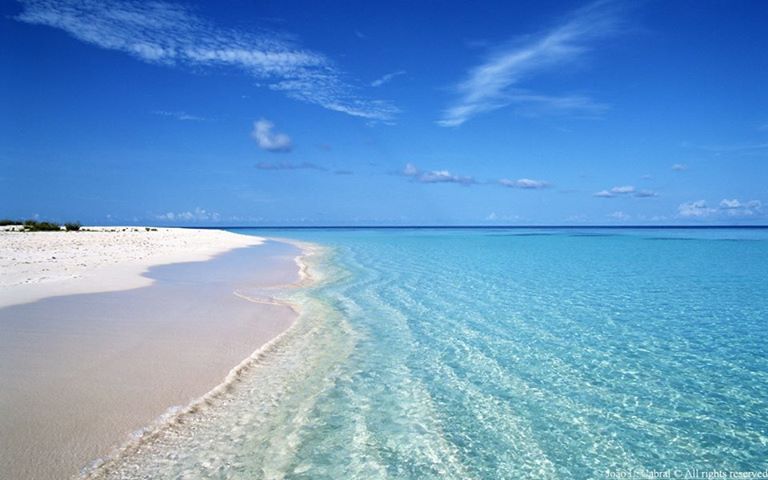
Comporta On the Alentejo coast in Portugal, a beach with white sand and a blue sea, simply paradise
Inserted within the limits of the Sado Estuary Nature Reserve, which allows it to preserve all its natural beauty. From the dunes, sand, seaw... -
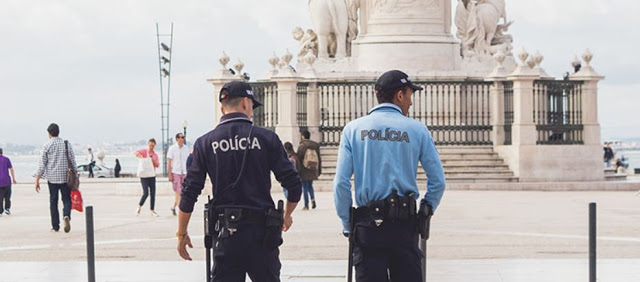
Portugal in 3rd safest country in the world in 2019
Portugal is the third most peaceful country in the world, says the 2019 Global Peace Index. Among European countries, it ranks second, just behind Ice... -
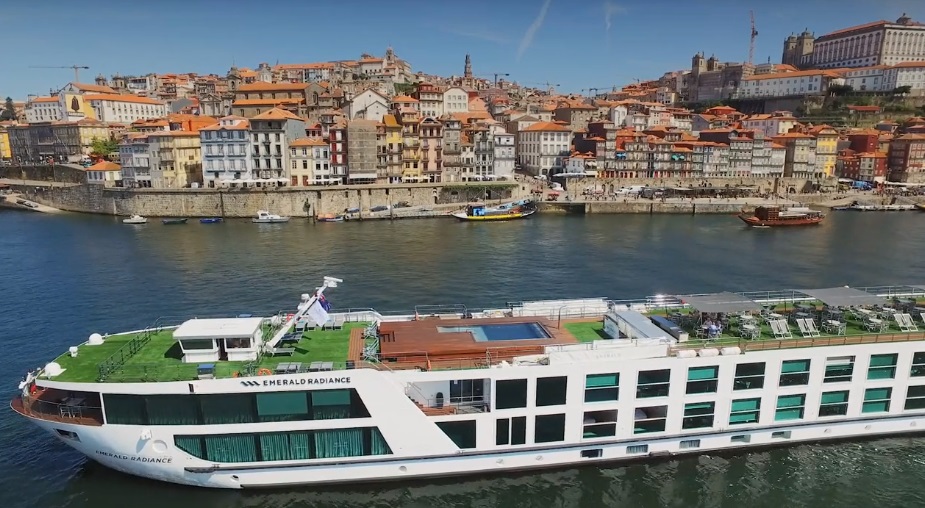
The best Douro attraction on the Luxury Panoramic Cruise
Esmeralda Radiance will explore the Douro region, navigating the Douro River. Dissecting some of the most beautiful vineyards and wine-produc... -
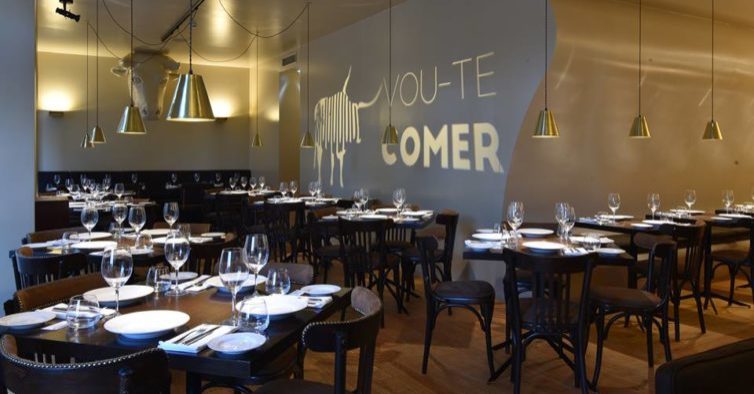
These are the 10 best new restaurants in Lisbon Portugal
Forbes list, which includes ten names in total, is also the Supper at the Santa Clara Hotel 1728, or the Epur, in Chiado, with Vincent Farges, the for...